
 国际站
国际站 
在SCI论文发表的过程中,收到“修改后重投(Major/Minor Revision)”的决定是极其常见且值得庆幸的一步。这代表您的研究已经引起了编辑和审稿人的兴趣。然而,如何写好 Response to Reviewers(审稿意见回复信),往往直接决定了论文最终是顺利接收(Accept)还是被遗憾拒稿(Reject)。
一封优秀的回复信不仅需要展现您的学术严谨性,更需要高情商的沟通技巧。本文将为您详细拆解标准的逐条回复格式,并提供应对各种棘手问题的高频英文话术模板。
一、 回复审稿人的三大黄金原则
在开始撰写回复信之前,请务必牢记以下三个核心原则:
-
绝对礼貌与尊重 (Polite & Respectful): 无论审稿人的意见多么尖锐,甚至存在明显的误解,都必须保持专业和礼貌。审稿人是免费为您提供学术建议的同行,良好的态度是成功沟通的基础。
-
逐条回复,绝不遗漏 (Point-by-point Response): 将审稿人的每一段话(甚至是一段话中的多个问题)拆解成独立的条目,逐一进行回复。不要回避任何一个问题。
-
精准定位修改内容 (Exact Location): 在回复中,必须明确标出修改内容在修改稿(Revised Manuscript)中的具体位置(如:Page X, Line Y),极大地方便编辑和审稿人核对。
二、 标准的逐条回复格式 (Standard Format)
一封结构清晰的 Response to Reviewers 通常包含两个部分:致主编的Cover Letter(简述修改情况并表达感谢),以及针对每个审稿人的详细回复(Detailed Responses)。
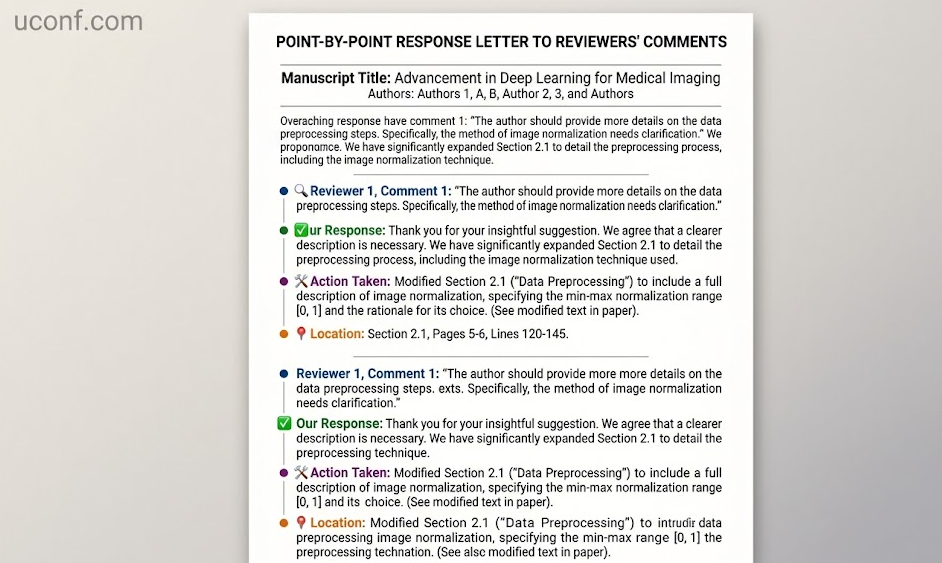
针对具体的审稿意见,推荐采用以下“四步走”的标准格式:
-
Reviewer's Comment: 完整复制粘贴审稿人的原始意见(建议使用斜体或不同颜色区分)。
-
Our Response: 简明扼要地直接回答问题(如:感谢建议,我们已进行了修改/补充)。
-
Action Taken / Revisions in the Manuscript: 详细阐述您具体做了哪些修改或补充了什么实验。
-
Location: 指出修改的具体位置(Revised text has been added to Page X, Line Y-Z)。
三、 高频英文话术与模板 (English Templates)
1. 应对“需要补充实验或数据” (Agree to add data)
当审稿人指出数据不足并要求补充实验时,如果您已经完成了补充,应当积极展示。
-
We sincerely thank the reviewer for pointing this out. To address this concern, we have conducted additional experiments on [实验内容]. As shown in the new Figure X...
-
We agree with the reviewer's insightful suggestion. We have now included the data regarding [数据名称] in the revised manuscript (Table Y).
2. 应对“无法补充实验” (Unable to add data)
有时候受限于客观条件(如经费、时间、样本耗尽),您无法完成审稿人要求的补充实验。此时切忌生硬拒绝,应委婉说明原因,并提供现有数据的替代支撑,或将其放入“研究局限性 (Limitations)”中。
-
We highly appreciate the reviewer's constructive feedback. While we agree that [要求的实验] would further strengthen our findings, unfortunately, we are unable to perform this experiment at the current stage due to [客观原因, 如 limited access to the specific patient cohort / equipment constraints]. However, we have added a comprehensive discussion regarding this limitation in the revised manuscript (Page X, Line Y).
3. 应对“语言或排版问题” (Language/Formatting)
这类问题最容易解决,直接表达感谢并说明已全面润色即可。
-
We apologize for the grammatical errors and poor formatting in the original manuscript. The entire text has been carefully thoroughly revised and polished by a native English speaker / professional editing service to improve readability.
4. 礼貌反驳审稿人的“错误意见” (Polite Rebuttal)
审稿人也是人,难免会存在误解或提出与您研究初衷相悖的意见。反驳时态度要谦卑,但证据要确凿(多引用高水平文献支撑)。
-
先给台阶: We understand the reviewer's concern and agree that [某某观点] is generally correct in most cases.
-
话锋一转给出证据: However, in the specific context of our study, we respectfully hold a different perspective because... Furthermore, previous studies (Smith et al., 2022; Wang et al., 2023) have also demonstrated that...
-
修改正文以避免他人误解: To avoid similar confusion for future readers, we have clarified this point in the Discussion section (Page X, Line Y).
四、 提交前的最终 Checklist
在点击“Submit”之前,请对照以下清单进行最后检查:
-
[ ] 是否已对所有审稿人的每一条意见进行了编号并逐一回复?
-
[ ] 回复信中的页码和行号是否与最终的修改稿 (Clean Version) 完全对应?
-
[ ] 是否提供了包含修改痕迹的标记稿 (Track Changes Version)?
-
[ ] 语气是否全程保持客观、专业和感激?
总结: 撰写 Response to Reviewers 是一场学术上的“博弈”与沟通。通过清晰的逐条回复格式和礼貌且有理有据的英文话术,不仅能展现您扎实的科研态度,还能最大限度地打消审稿人的疑虑,从而顺利敲开顶级期刊的大门。